Event Overview & Highlights
On 20 April 2026, the RECEIC Global Symposium and Awards took place at the Hotel Shangri La in New Delhi. This significant event convened experts and stakeholders from various sectors to explore critical themes related to the global economy and innovation. The symposium aimed to foster dialogue on emerging trends and best practices, while the awards segment recognized outstanding contributions in the field. Attendees engaged in meaningful exchanges that underscored the importance of collaboration and knowledge sharing in addressing contemporary challenges. The event served as a vital forum for showcasing innovative ideas and strategies, ultimately contributing to the advancement of the global economic landscape. Through a series of presentations and discussions, participants gained valuable insights that will inform future initiatives and collaborations in the industry.
Knowledge Papers Released
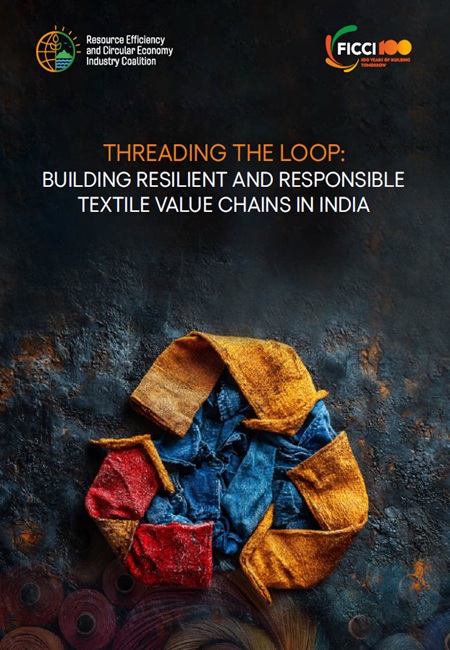
Threading the Loop: Building Resilient and Responsible Textile Value Chains in India
India’s textile sector, valued at $225 billion and projected to reach $350 billion by 2030, faces growing supply chain risks linked to climate vulnerability, resource dependence, regulatory pressures, and global market shifts. The knowledge paper Threading the Loop: Building Resilient and Responsible Textile Value Chains in India highlights that the sector’s heavy reliance on virgin materials has created structural vulnerabilities, particularly as climate impacts, energy costs, and emerging international regulations such as Digital Product Passports intensify. The paper positions circularity as a strategic pathway to strengthen resilience, reduce import dependence, and enhance global competitiveness. The report identifies significant untapped value ...
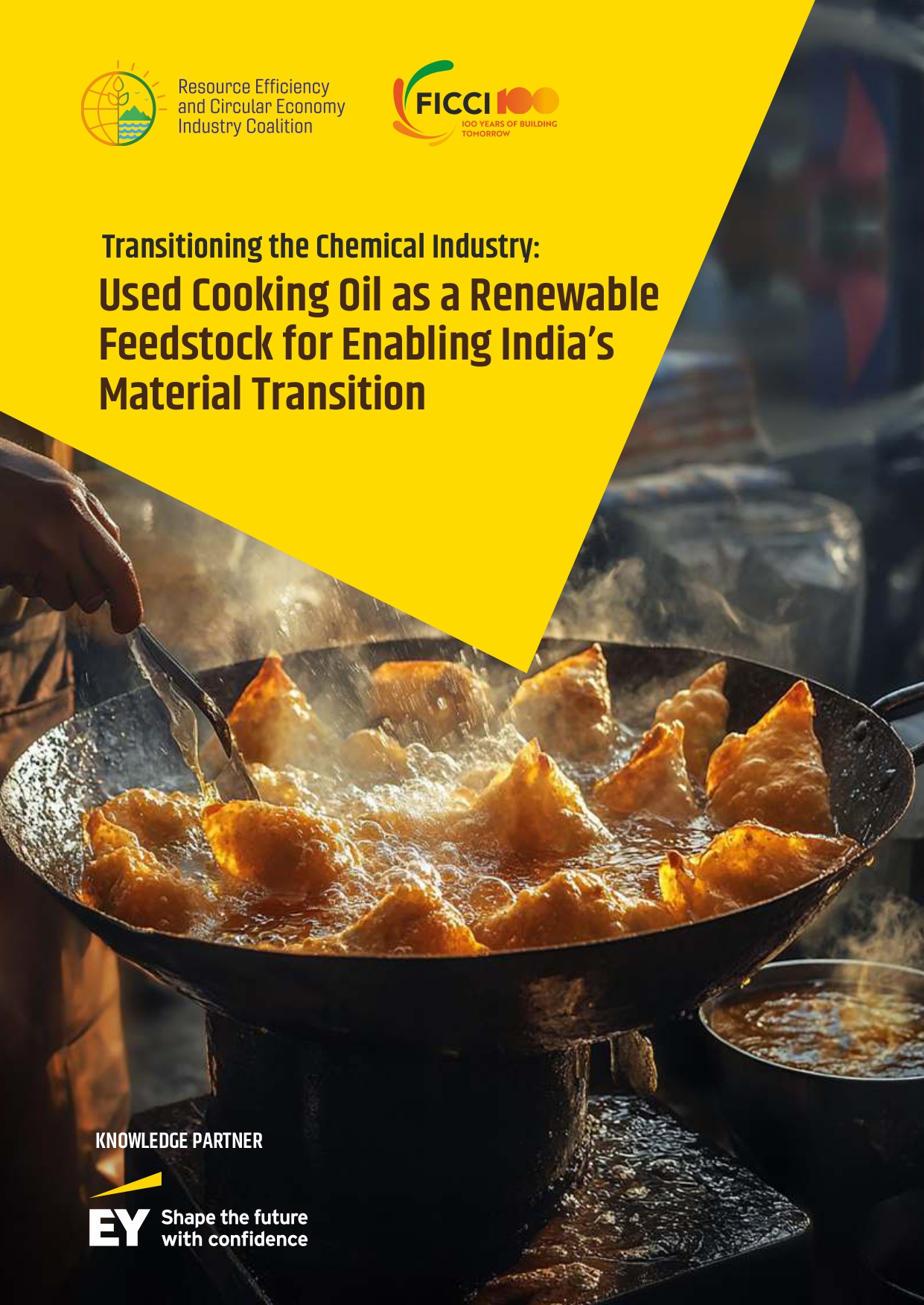
Transitioning the Chemical Industry: Used Cooking Oil as a Renewable Feedstock for Enabling India’s Material Transition
India’s transition towards a Net Zero economy requires simultaneous progress in both energy and materials, with the shift towards renewable and low-carbon feedstocks emerging as an important pathway for industrial decarbonisation. The report, “Transitioning the Chemical Industry: Used Cooking Oil as a Renewable Feedstock for Enabling India’s Material Transition,” examines Used Cooking Oil (UCO) as a renewable, waste-derived and circular feedstock that can help reduce dependence on fossil-based carbon in the chemical industry. It positions UCO as a near-term opportunity for material transition, with applications extending beyond its current dominant use in biodiesel to chemical and material value chains. The ...