
Event Overview & Highlights
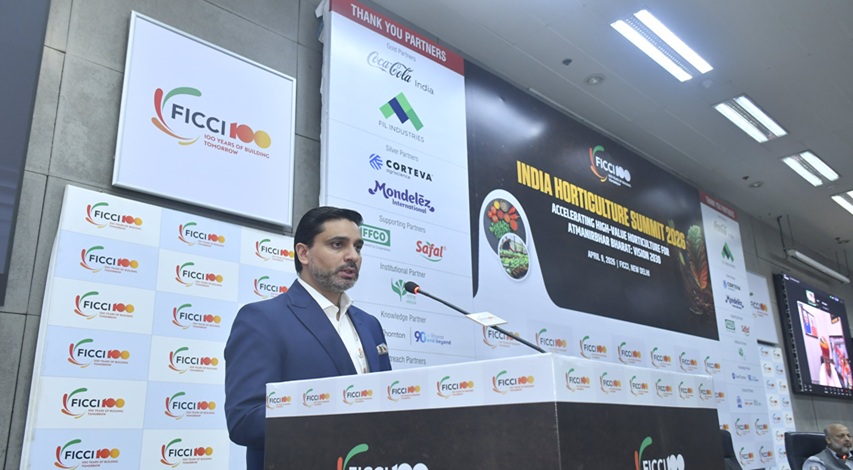
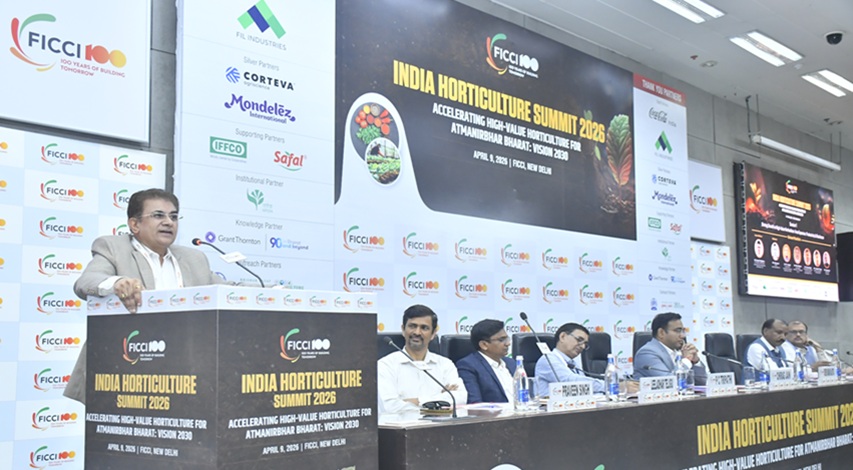
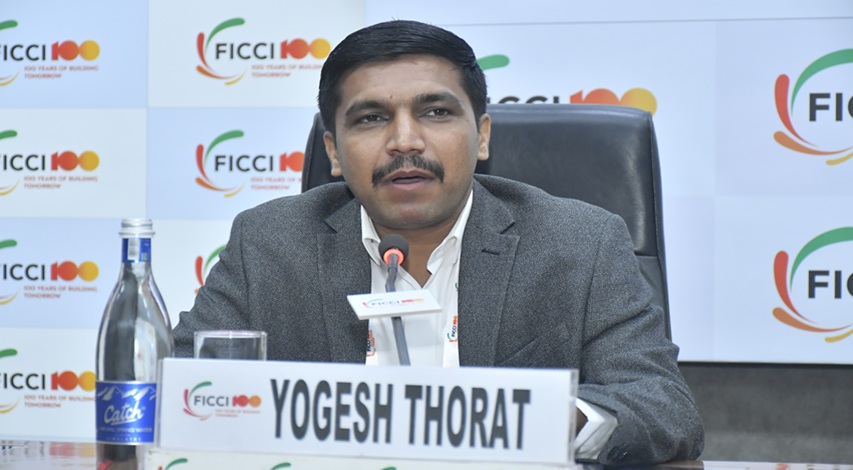
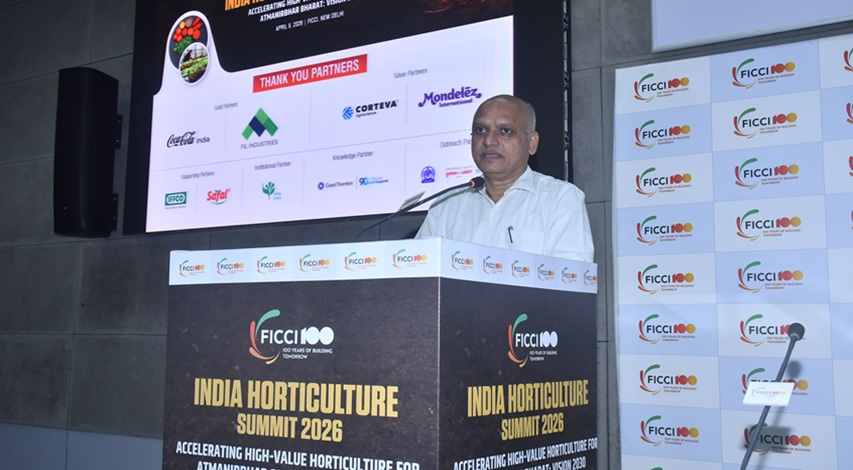
On 9 April 2026, the India Horticulture Summit took place in New Delhi, bringing together key stakeholders from the horticulture sector. The event focused on advancing the horticultural landscape in India, addressing challenges, and exploring innovative solutions to enhance productivity and sustainability. Participants included industry leaders, policymakers, and experts who shared insights on the latest trends and technologies in horticulture. The summit aimed to foster collaboration among various sectors, promoting best practices and encouraging investment in horticultural initiatives. Discussions encompassed a range of topics, including supply chain management, market access, and the role of technology in improving crop yields. The event served as a significant gathering for knowledge exchange, ultimately contributing to the growth and development of the horticulture industry in India.
Image Gallery


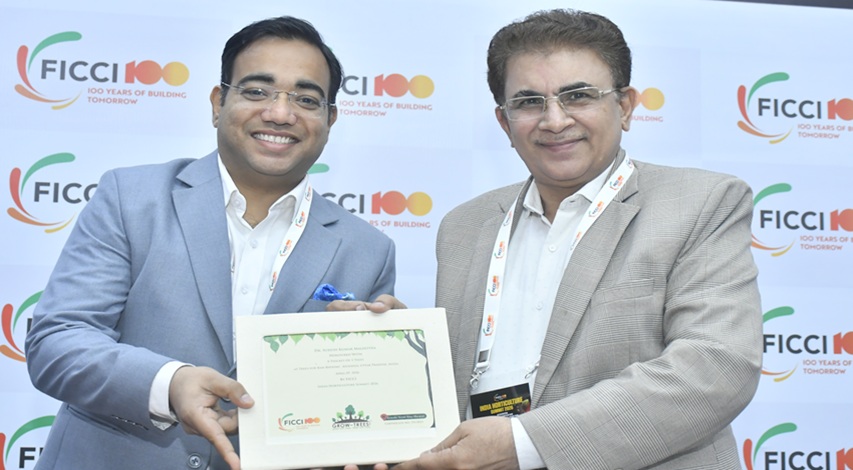

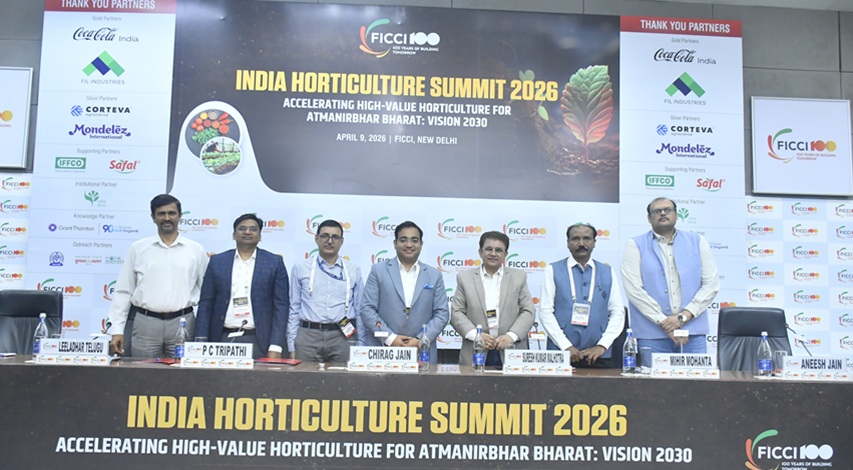
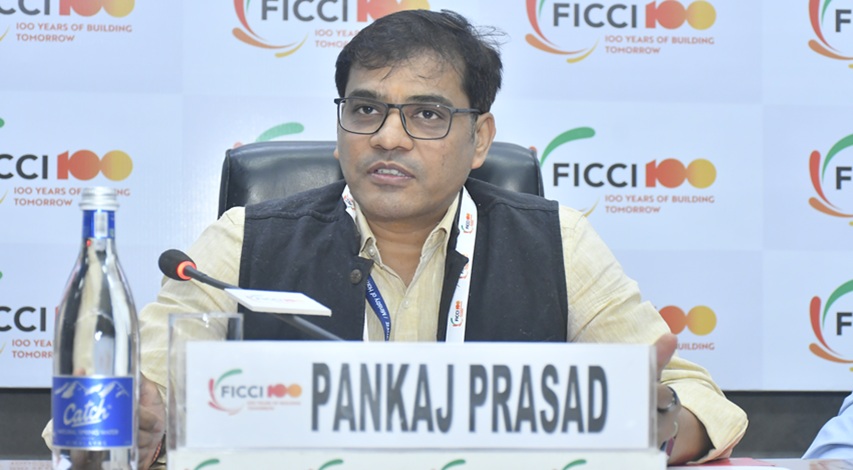
Knowledge Papers Released

Empowering the cocoa sector
India’s cocoa sector stands at a strategic inflection point, marked by rapidly rising domestic demand and high import dependence, with imports exceeding USD 880 million annually. Domestic production currently meets only 20–30% of national requirements, highlighting a critical supply gap but also a strong opportunity for import substitution and farmer income enhancement. Cocoa has emerged as a high-potential, climate-resilient intercrop compatible with coconut, arecanut, oil palm, and rubber systems, offering long-term returns, low input intensity, and ecological sustainability. Despite these advantages, the sector faces structural constraints including fragmented policy support, limited access to quality planting material, underdeveloped post-harvest systems, underutilised ...

Vision 2030: Focusing on high-value horticulture for Atmanirbhar Bharat
India’s horticulture sector has emerged as the most significant driver of agricultural value creation, contributing nearly one-third of agricultural Gross Value Added and surpassing foodgrains in total output. However, persistent structural gaps—such as shortages of quality planting material, ageing orchards, fragmented post-harvest systems, and uneven quality standards—continue to limit competitiveness and result in import dependence in several high-value crops. Vision 2030 outlines a strategic shift from volume-led growth to value-led, market-driven horticulture development. The report proposes a mission-mode, integrated national framework to simultaneously scale productivity, quality, processing utilisation, exports, and farmer incomes. It emphasises correcting upstream constraints before intensifying investments ...