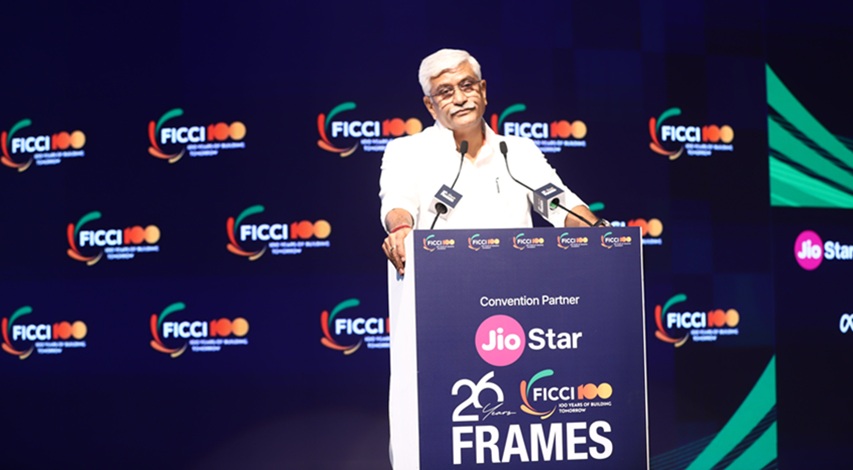
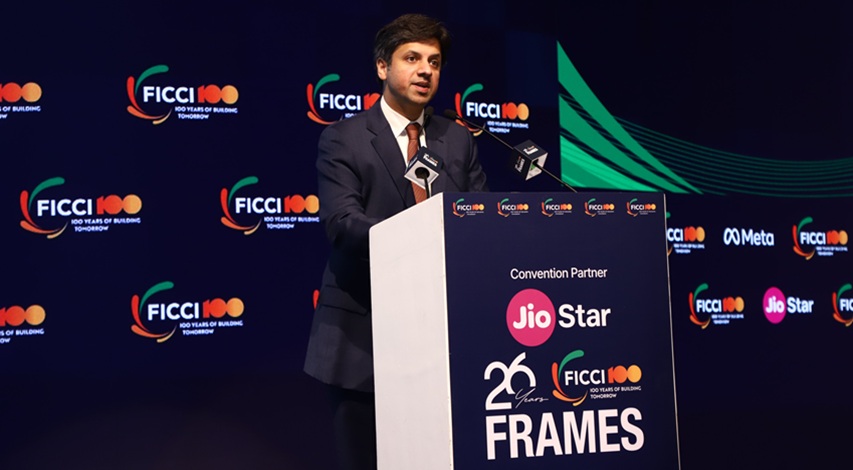
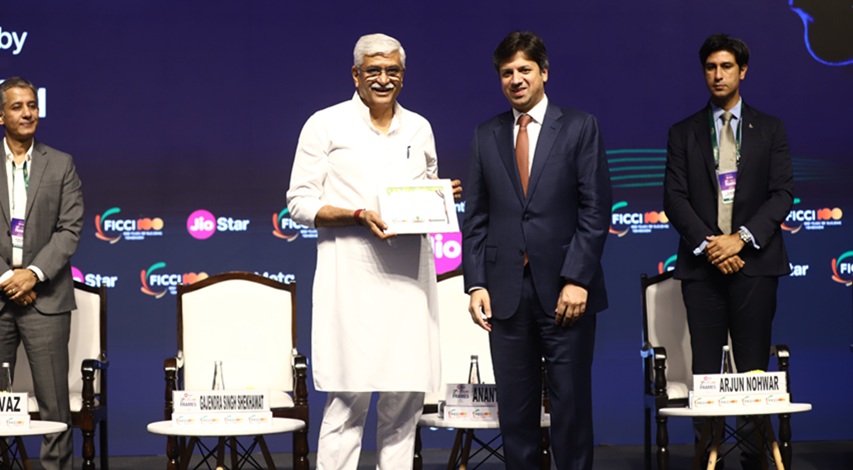
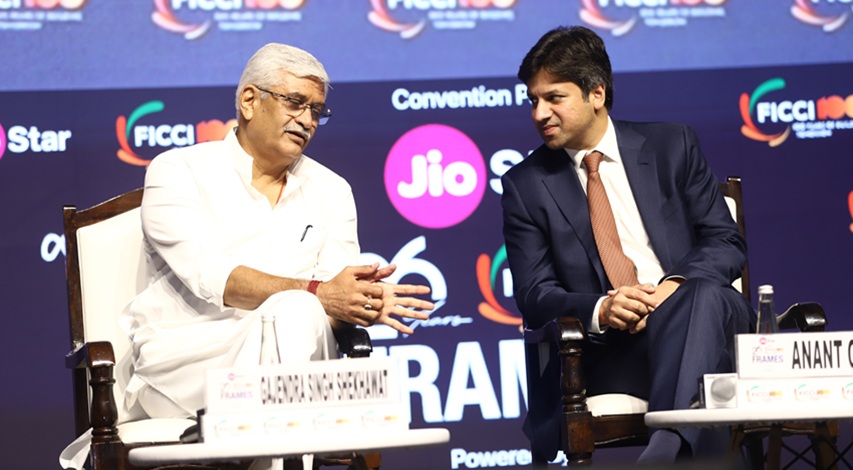
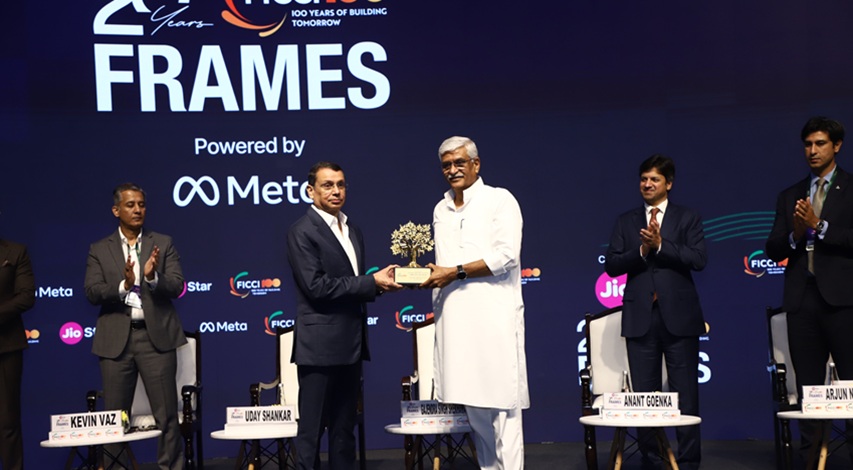
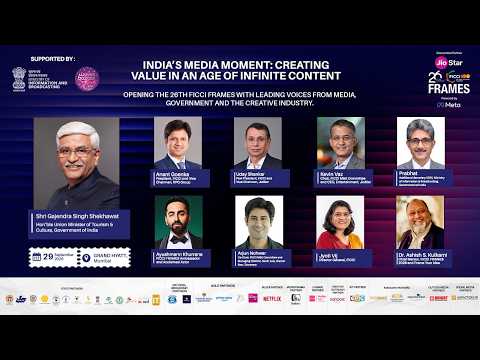
Gajendra Singh Shekhawat, 58, is an Indian politician and member of the Bharatiya Janata Party (BJP). He currently serves as the Minister of Culture and Tourism in the Government of India, having previously held the position of Minister of Jal Shakti from 30 May 2019 to April 2024. Prior to being Minister of Jal Shakti, Shekhawat was the Minister of State in Ministry of Agriculture and Farmers Welfare from 3 September 2017 to 25 May 2019. As of April 2026, he holds the position of Minister of Culture and Tourism in the Government of India, a role that places him at the forefront of India’s efforts to promote its rich cultural heritage and boost tourism, both domestic and international. Shekhawat is also a Member of Parliament (MP) representing the Jodhpur constituency in Rajasthan, having represented the constituency since 2014.
Early Life and Education
Gajendra Singh Shekhawat was born on October 3, 1967, in Jaisalmer District of Rajasthan, known for its vibrant cultural history. He pursued higher education at Jai Narain Vyas University (JNVU) in Jodhpur, where he earned a Master of Arts degree in Philosophy. He began his political career in student politics and was elected as President of the Students Union of JNVU in 1992. Before entering electoral politics, he was actively involved in various social causes and became well known for his oratory skills and his ability to connect with people.
Major Achievements as Minister of Jal Shakti
Jal Jeevan Mission (JJM)
Under his leadership, the Jal Jeevan Mission was launched, aiming to provide safe and adequate drinking water to rural households. Coverage increased significantly, improving public health and reducing child mortality.
Swachh Bharat Mission 2.0
Shekhawat oversaw the second phase focusing on sanitation improvements and maintaining ODF status across villages. As of September 2023, 75% of all villages, i.e. over 4.43 lakh villages had achieved ODF Plus status.
Namami Gange Program
The Namami Gange Program aimed at rejuvenating the Ganga River and its tributaries received international recognition under his guidance when it was selected for a UN award as one of the Global Restoration Flagships.
Major Achievements as Minister of Culture and Tourism
Overall, Shekhawat’s tenure has been marked by a strong emphasis on cultural preservation and promotion, alongside infrastructure-driven tourism growth, community participation, and sustainable development, with measurable progress achieved under key government schemes and initiatives of the Ministry of Culture and Ministry of Tourism.
Cultural Outreach and Global Engagement
Under his leadership, the Ministry of Culture has actively promoted India’s cultural heritage through international exhibitions and events, enhancing cultural diplomacy and global visibility.
Cultural Infrastructure and Heritage Development
In the culture sector, key initiatives include the inauguration of new museums and galleries, notably the Humayun’s Tomb World Heritage Site Museum, and thematic exhibitions such as the “Great Indian Reformers” gallery. These efforts have strengthened cultural infrastructure and improved visitor engagement.
Additionally, programmes like Gyan Bharatam aim to preserve India’s manuscript heritage, while digital initiatives and exhibitions have expanded access to cultural resources.
Under Shekhawat’s leadership, the Ministry of Culture secured the repatriation of the sacred Piprahwa relics by intervening to halt their auction abroad and facilitating their return to India, a major step in reclaiming lost heritage.
He also advanced efforts to retrieve antiquities and strengthen international agreements to curb illicit trafficking, with hundreds of artefacts repatriated.
Additionally, he has promoted the archiving of historical documents and the expansion of museum infrastructure, including international cultural collaborations such as the proposed Yuga Yugeen Bharat National Museum near Parliament House, being developed with French assistance, to enhance the preservation and global outreach of India’s heritage.
Tourism Infrastructure and Flagship Schemes
Since assuming charge on 11 June 2024, Gajendra Singh Shekhawat has strengthened flagship tourism schemes such as Swadesh Darshan 2.0 and PRASHAD (Pilgrimage Rejuvenation and Spiritual Heritage Augmentation Drive), focusing on destination-based development and sustainable tourism. Projects under the challenge-based destination development approach have been approved to enhance infrastructure at key religious and heritage sites.
The Ministry of Tourism has also emphasised improved connectivity and infrastructure-led growth, aligning tourism expansion with national infrastructure development, which has significantly boosted tourist inflow and economic activity.
Employment and Community-Based Initiatives
A major achievement has been the launch of Paryatan Mitra and Paryatan Didi programmes aimed at capacity building, skill development, and local community participation in tourism. These initiatives support employment generation and inclusive growth, with tourism contributing significantly to livelihoods across the country.
Promotion of Sustainable and Thematic Tourism
The Ministry has promoted sustainable tourism through events such as the International Tourism Mart, highlighting regional circuits like the Northeast and encouraging eco-tourism and cultural tourism. This approach integrates local traditions, crafts, and biodiversity into tourism development, enhancing India’s global appeal.
Vision: Development as well as Heritage
Civilizational Tourism (Heritage-Based Tourism): Heritage is not just about old memories, but a “living river” of knowledge and creativity. Efforts are being made to promote a “spiritual economy” by connecting centers like Kumbh Mela, Kashi Vishwanath Dham, and Ayodhya with modern infrastructure.
The 5T Mantra
Built on five pillars: Tourism, Trade, Talent, Tradition, and Technology. Tourism has the highest potential to generate employment.
Global Leadership & Connectivity
Connectivity has been improved by expanding aviation infrastructure under the UDAN scheme, increasing the number of operational airports and other aviation facilities to over 160 (including heliports and water aerodromes). Additionally, trains like the Vande Bharat Express are being used to enhance connectivity between major cities and tourism circuits.
Travel for LiFE
During the G20 Summit, emphasis was laid on sustainable tourism, where both tourists and businesses take responsibility for conserving natural resources.
Implementation by the Minister
Shekhawat is working to implement Prime Minister Narendra Modi’s vision on the ground with the principle of “Growth with Responsibility.”
Community-Centric Tourism
Tourism benefits should reach local communities. Through schemes like Swadesh Darshan and PRASHAD Scheme, destinations are being developed where local artisans and youth get direct employment.
Digital & Metaverse Era
Building smart digital infrastructure in tourism. Promoting “Wed in India” and “Meet in India” as global brands.
Skill Development
Establishing a National Institute of Hospitality and aiming to train 10,000 guides through IIM-supported programs.
Other Focus Areas
• Development of the Buddhist Circuit
• Renovation of temples
• Preservation of intangible heritage
• Achieving over 20% annual growth (CAGR) in tourism
• Rebranding Incredible India as “Visit Bharat”
Political Career
Gajendra Singh Shekhawat has been actively involved with Rashtriya Swayamsevak Sangh (RSS) and the Bharatiya Janata Party (BJP) and held several organizational roles before entering electoral politics.
He was the co-convener of the Swadeshi Jagaran Manch and the General Secretary of Seema Jan Kalyan Samiti. As General Secretary of the organization dedicated to strengthening national security by developing border towns and villages, he was instrumental in building a second line of defense that consisted of civilians residing near the border area of Rajasthan. He was also instrumental in furthering the impact of civil defense by setting up 40 schools and four hostels along the India-Pakistan border.
Electoral Performance
He won Lok Sabha elections as a BJP candidate in 2014, 2019, and 2024 from Jodhpur constituency with strong voter support.
In the 2014 Lok Sabha elections, Shekhawat won the election with a significant margin, securing 7,13,515 votes which accounted for 66.20 % of the total votes cast thus defeating his nearest rival by 4,10,051 votes.
In the 2019 Lok Sabha elections, he garnered 788,888votes, equivalent to 58.6% of the total votes in the constituency, defeating his nearest rival by 2,74,440 votes.
In the 2024 Lok Sabha elections, Shekhawat got 7,30,056 votes, which constituted 52.80% of the total votes cast and defeated his rival by 1,15,677 votes.
Personal Life
He is married to Naunand Kanwar and has three children. Known for his humility and grounded lifestyle, he shares a deep and enduring connection with the people of his constituency, who affectionately refer to him as “Gajju Bana”. An enthusiastic sportsman, he has actively participated in basketball and has played at the state level. He has also authored numerous articles and opinion pieces across a wide range of media outlets, reflecting his insights and thought leadership.